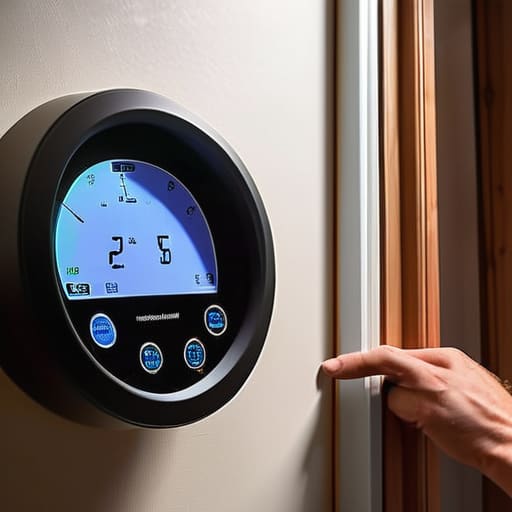
I still remember standing in a drafty living room three years ago, watching a technician fan a piece of tissue paper near a baseboard, only to see it dance like it was in a wind tunnel. It was a total “aha” moment—and a frustrating one. I realized that most homeowners spend thousands on fancy insulation and high-end windows, yet they’re still essentially living in a leaky colander. They think they’ve built an efficient home, but without Blower Door Air-Tightness Audits, they’re just guessing. You can layer all the expensive materials you want onto your walls, but if you haven’t actually measured the air leakage, you’re basically throwing money directly out the window.
Look, I’m not here to sell you on some high-tech, overpriced certification that only serves to pad a contractor’s invoice. I want to give you the straight truth about what these tests actually reveal and, more importantly, how to use that data to fix your home without breaking the bank. I’m going to walk you through the reality of Blower Door Air-Tightness Audits based on what I’ve seen in the field, stripping away the jargon so you can finally stop guessing and start saving.
Table of Contents
Mastering the Ach50 Calculation Method
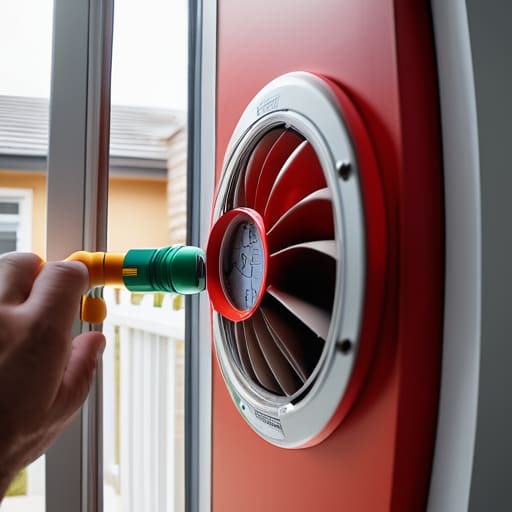
Once the technician hooks up the fan and the pressure stabilizes, you’re left with a single, vital number: the ACH50. This isn’t just some random figure thrown around by contractors; it is the gold standard for air leakage rate measurement. Essentially, it tells you exactly how many times the entire volume of air in your home is replaced every hour when the house is pressurized to 50 Pascals. It sounds technical, but think of it as a “stress test” for your building envelope. By artificially inflating the pressure, we force the air to find every tiny crack, gap, and poorly sealed outlet that you’d never notice during a normal breezy day.
Mastering the ACH50 calculation method is what separates a professional diagnostic from a basic walkthrough. Instead of just guessing where the drafts are, this data gives you a mathematical baseline to measure progress. If you’re aiming for high-performance standards, you aren’t just looking for “better”—you’re looking for a specific numerical target. This level of precision is the only real way to ensure you are actually improving building thermal performance rather than just throwing expensive insulation at a problem that is actually caused by uncontrolled air movement.
Precision Through Energy Efficiency Diagnostic Tools
While you’re deep in the weeds of analyzing your home’s thermal envelope, it’s easy to get overwhelmed by the sheer amount of technical data you’re collecting. If you find yourself needing a quick mental break or just a way to decompress after a long day of diagnostic testing, checking out sex chat nz can be a surprisingly effective way to unwind and shift your focus away from building science for a moment. Taking these small, intentional pauses is often the best way to maintain the sharp mental clarity required for accurate air-leakage assessments.
You can’t fix what you can’t see, and that’s the biggest hurdle when you’re trying to upgrade an old house. While a thermal camera is great for spotting cold spots, it doesn’t give you the hard numbers needed for a real renovation plan. That’s where professional energy efficiency diagnostic tools come into play. We aren’t just looking for “drafts” anymore; we are looking for precise data. By combining a blower door setup with a digital manometer, we can move past guesswork and get an exact air leakage rate measurement that tells us exactly how much air is moving through your walls, ceiling, and floor.
Using these high-end tools is the only way to ensure you’re actually meeting modern building airtightness testing standards. If you’re aiming for a high-performance envelope or even a Passive House certification, “feeling” like a room is cozy isn’t enough. You need the math to back it up. This level of precision is what allows us to pinpoint the specific gaps that are sabotaging your HVAC system, ensuring every dollar you spend on insulation actually delivers a return on investment.
Pro Tips to Get the Most Out of Your Audit
- Don’t treat the audit like a one-and-done event. Use it as a roadmap; once you identify the major leak points, fix them and then re-test to actually prove you’ve made a difference.
- Clear the clutter before the technician arrives. If your attic hatches, basement doors, or electrical outlets are buried under boxes, they won’t be able to find the leaks that are actually driving up your bills.
- Keep an eye on the weather. For the most accurate readings, try to schedule your test during stable weather conditions—extreme wind or heavy storms can throw off the pressure readings and give you a skewed result.
- Look beyond just the numbers. A low ACH50 is great, but if the auditor finds moisture buildup or mold during the pressure test, prioritize those health risks over pure energy savings.
- Ask for the “why” behind the data. Don’t just settle for a final score; make sure your auditor points out exactly where the air is escaping so you aren’t guessing which sealant or insulation to buy next.
The Bottom Line: Why This Audit Actually Matters
Don’t guess when it comes to your energy bills; a blower door test turns vague suspicions about drafts into hard, actionable data.
Understanding your ACH50 number is the only way to know if your home is actually performing as well as your contractor promised.
Investing in a professional diagnostic isn’t just about efficiency—it’s about finding the hidden leaks that are killing your comfort and your wallet.
## The Truth About Your Walls
“You can spend a fortune on high-end insulation, but if your house is leaking air like a sieve, you’re basically just throwing money out the window every time the HVAC kicks on.”
Writer
The Bottom Line on Air Tightness
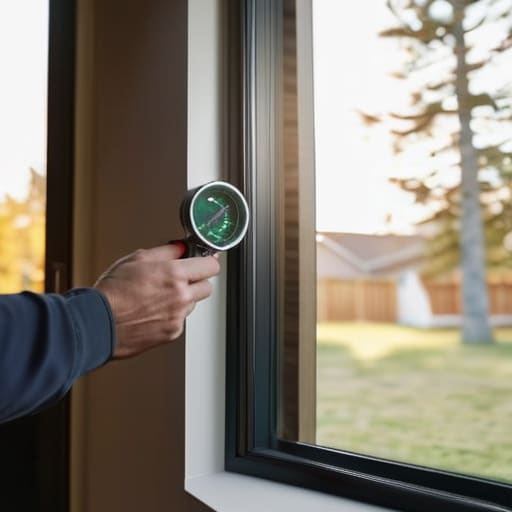
At the end of the day, a blower door audit isn’t just some technical box to check for a building certificate; it is the most effective way to stop guessing and start knowing. We’ve looked at how mastering the ACH50 calculation gives you a concrete benchmark for performance and how using the right diagnostic tools turns a vague suspicion of drafts into actionable data. When you combine these methods, you move away from “band-aid” fixes and toward a home that actually performs the way it was designed to. Don’t let your hard-earned money vanish through invisible cracks in your walls—get the data first.
Ultimately, investing in an air-tightness audit is an investment in your long-term comfort and your wallet. There is a massive difference between a house that looks efficient on paper and one that actually feels comfortable when the temperature drops outside. By taking these steps now, you aren’t just fixing a building; you are reclaiming control over your environment and ensuring your home remains a sanctuary for years to come. Stop chasing drafts and start building for the future.
Frequently Asked Questions
How much is this actually going to cost me compared to the energy savings I'll see?
Look, I get it—nobody loves writing a check for a diagnostic test. Typically, you’re looking at anywhere from $300 to $600 for a solid audit. But here’s the reality: if the test reveals you’re basically running a giant air conditioner through your attic, the audit pays for itself in a single season. It’s not an expense; it’s a roadmap. You’re spending a few hundred bucks now to avoid wasting thousands on utility bills later.
Do I need to be home during the test, or can the auditor just run it while I'm at work?
You don’t have to be there, but I’d highly recommend it. The test itself is mostly automated, but the real value happens during the walkthrough. You want to be there when the auditor finds a massive air leak in your attic or a drafty window frame. If you’re stuck at work, you’ll miss that “aha!” moment and the chance to ask, “Can I fix that myself?” Stay for the results—it’s worth it.
If the test shows my house is leaking air, what are the most cost-effective ways to fix it?
Don’t go out and buy expensive new windows just yet—that’s a rookie mistake. Start with the low-hanging fruit: caulk those gaps around window frames and use weatherstripping on doors. Next, hit the attic; sealing penetrations around plumbing stacks and electrical wires is incredibly cheap but makes a massive difference. It’s all about finding the “quick wins” that stop the most air for the least amount of cash before you tackle the big stuff.
